

On Tuesday (26), the Ministry of Finance’s Prizes and Betting Secretariat (SPA-MF) released an overview with a series of information about the first half of the regulated betting market in Brazil. The data recorded advances in the protection of bettors and the economy, in addition to presenting the profile of Brazilian bettors.
According to the SPA, the department’s two main objectives are to monitor regulated companies and, most importantly, combat the illegal betting market. According to the Semiannual Overview of the Regulated Fixed-Odds Betting Market, the SPA ended the first half of the year with 15,463 pages taken offline by the National Telecommunications Agency (Anatel) since October 2024.
Currently, the regulated sector has 78 companies authorized to provide the service and 182 sportsbooks.
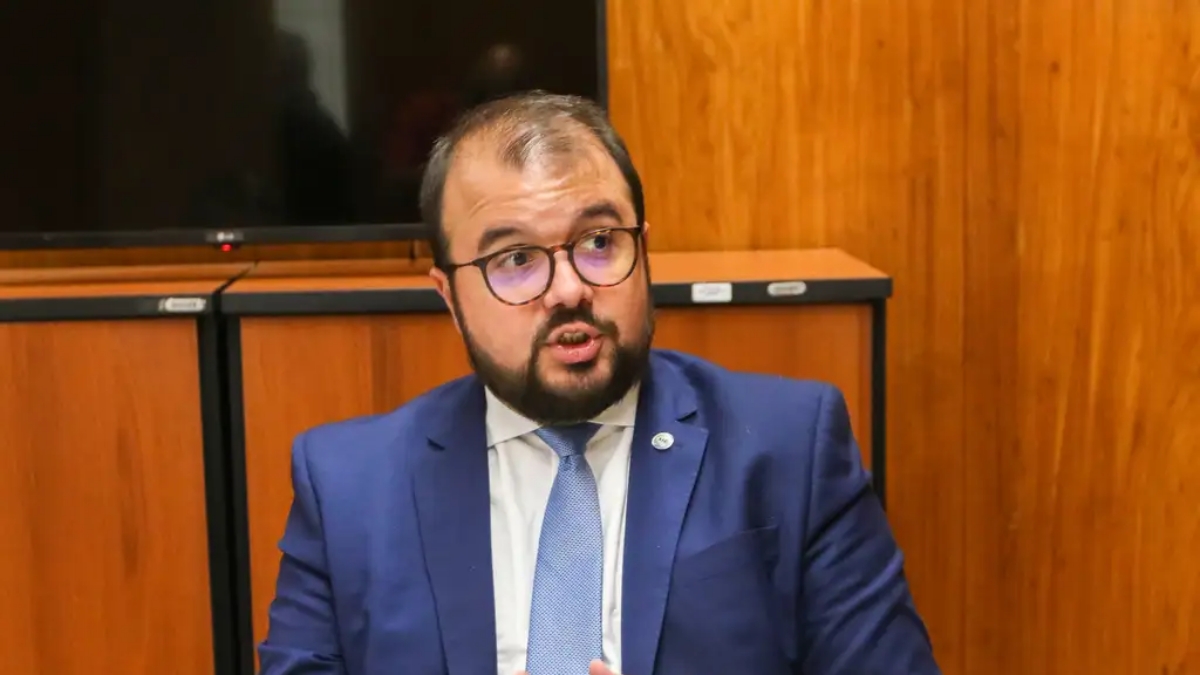
According to Regis Dudena, Secretary of Prizes and Bets at the Ministry of Treasury, the release of these data is crucial for the sector. “This report is crucial for regulation. It provides concrete data on regulatory action, addressing topics such as oversight and control, as well as the initial figures, which reflect reality, not just estimates.”
“From now on, the debate on the fixed-odds betting market in Brazil will be able to take place with even more solid elements, allowing us to advance with evidence-based regulation,” he stated.
Financial movement of the regulated betting market
In addition to blocking illegal websites, the secretariat is also concerned with the sector’s financial transactions. This covers both the regulated and illegal markets, in this case, addressing these irregular financial transactions.
In the financial system, as defined by the Central Bank, the task of monitoring, supervising and, eventually, sanctioning financial institutions (FIs) and payment institutions (IPs) is the responsibility of SPA-MF.
In the first half of this year, the secretariat ordered institutions operating in the illegal market to close these clients’ accounts and notify the SPA whenever they discovered accounts suspected of engaging in this activity.
Thus, 24 FIs and IPs made 277 notifications to the SPA and closed the accounts of 255 individuals and legal entities. This was due to their involvement in the irregular fixed-odds betting activity. During the same period, the SPA notified 13 payment institutions. As a result, the action closed the accounts of 45 companies operating in the irregular fixed-odds betting market.
When it comes to advertising, the breakthrough was the agreement with the Digital Council of Brazil. This is a Brazilian association that brings together eight of the country’s leading technology companies, including Google, Meta, TikTok, Kwai, and Amazon.
The goal of this partnership is to more effectively remove advertising from illegal companies. In the fight against illegal advertising on social media, 120 cases were completed, resulting in the removal of 112 influencer pages and 146 other posts.
Profile of bettors and sector revenue
From January to June of this year, 17.7 million Brazilians placed bets. Of these, 71% were men and 28.9% were women. This data is from the first biannual report of the General Betting Management System (Sigap) of the Ministry of Treasury. The system receives daily information on all bets placed by the 78 companies authorized to operate fixed-odds betting.
“Our goal is, from now on, to periodically disclose the SPA’s activities and the evolution of the fixed-odds betting market in Brazil, fulfilling this government’s commitment to transparency and, above all, reporting to society regarding the responsibilities of the State and private actors,” said Secretary Regis Dudena.
The total gross revenue of authorized companies, Gross Gaming Revenue (GGR), was R$17.4 billion in the first half of the year. This value represents the total bets, minus the prizes paid, which can be indicated as the actual expenditure of bettors during the period.
Furthermore, the revenue from betting companies was approximately R$3.8 billion in the first half of 2025. This data refers to the amounts collected by the IRS, including federal taxes such as IRPJ, CSLL, PIS/Cofins and Social Security Contribution, in addition to the 12% of social allocations provided for in Law 14,790/23, which totaled R$2.14 billion.
Furthermore, the SPA collected approximately R$2.2 billion in authorization fees paid by authorized operating agents and approximately R$50 million in inspection fees also paid by companies in the sector, in the first half of the year.