


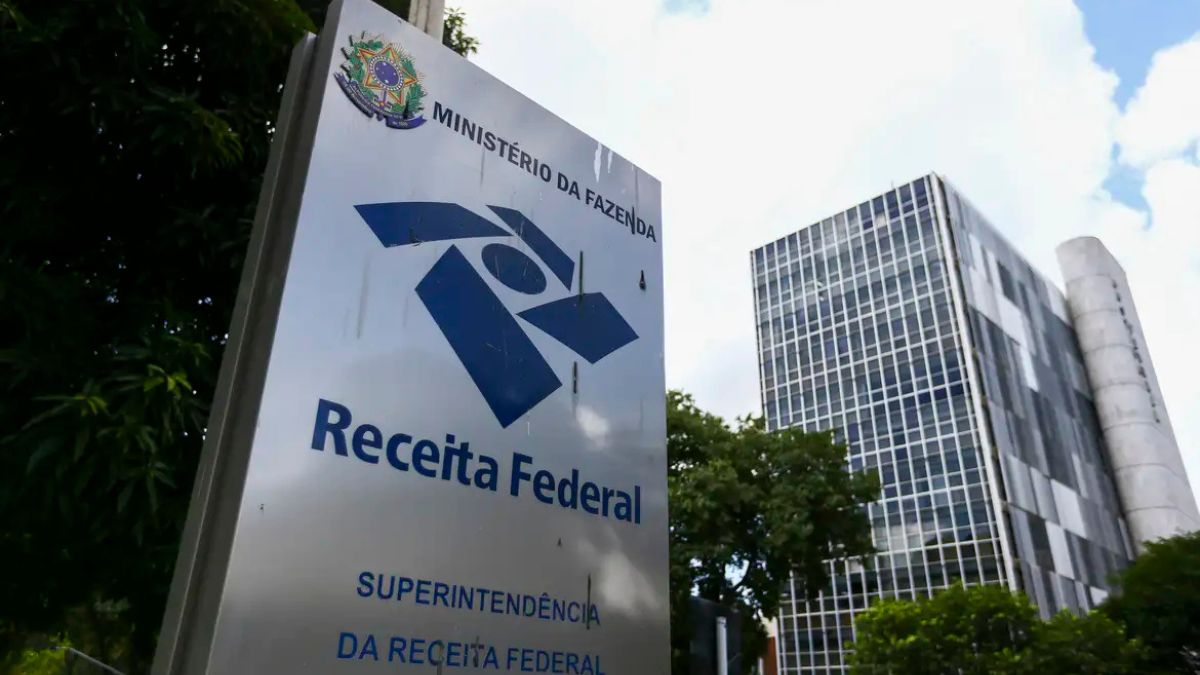
The Brazilian Federal Revenue Service reported that tax revenue from betting reached R$ 1 billion in October, taking center stage in the month’s tax performance. The agency recorded R$ 261.9 billion in federal taxes during the period, a figure that surpassed all previous results for October and grew 0.92% compared to the same month in 2024.
Furthermore, the accumulated total for the first ten months of the year reached R$ 2.4 trillion, representing a 3.2% increase compared to the same period last year.
The institution released this data on Monday (24), in Brasília, and stated: “It is important to note that this is the best revenue performance, both for October and for the accumulated period.”
The total took into account taxes such as Income Tax, social security contributions, Import Tax, Tax on Industrialized Products (IPI), Tax on Financial Operations (IOF), and PIS/Cofins, while also including royalties and court deposits.
What explains the surge in betting revenue?
Revenue from betting sites grew by almost 10,000% in October 2025 compared to October 2024. This surge occurred because the regulation of betting sites only came into effect in 2025, meaning the platforms paid less tax in the preceding period.
In October 2024, revenue from this segment was R$11 million, but it reached R$1 billion in October 2025. In the first ten months of 2025, the total rose from R$49 million to R$8 billion, representing an increase of over 16,000%.
Tax highlights of the month
The tax authorities reported an increase in IOF (Tax on Financial Transactions), which reached R$ 8.1 million in October 2025 and grew 38.8% year-on-year.
The institution stated: “This performance can be justified by operations related to the outflow of foreign currency and by credit operations destined for legal entities, both resulting from recent changes in legislation.”
The government increased the fees for some credit operations in June, through Decree 12.499/2025, but the measure was later overturned.
Another highlight was the IRRF-Capital (Withholding Income Tax on Capital), which reached almost R$ 11.6 million and increased by 28.01% compared to October 2024.
The tax authorities explained that this behavior was related to profits earned by investors in fixed-income investments and Interest on Equity (JCP), a mechanism used by companies to distribute part of their earnings to shareholders.
How does the economic slowdown affect tax revenue?
Although revenue showed growth of 3.2% year-to-date through October, the pace lost momentum throughout the year. In July, growth reached 4.41%, but decreased month by month.
The head of the Tax and Customs Studies Center of the Federal Revenue Service, Claudemir Malaquias, said: “We continue to grow, but at decreasing rates, at lower rates.”
He also stated that this movement followed projections from the Ministry of Finance and the market. “A certain contraction in economic activity was already expected,” and he highlighted the resilience of the service sector and the wage bill.
What is the impact of interest on tax revenue?
The slowdown stemmed directly from the Central Bank’s monetary policy. The Selic rate was at 15% per year, the highest level since July 2006.
The Central Bank maintained high interest rates to contain inflation, which remained above the target of 3% per year, and could reach up to 4.5%.
In October, the accumulated inflation over 12 months was 4.68% and continued its downward trend.
Malaquias concluded: “Tax collection is one of the barometers of economic activity. When collection is doing well, we usually say that economic activity, which is responsible for the majority of the revenue generated, is also doing well.”