


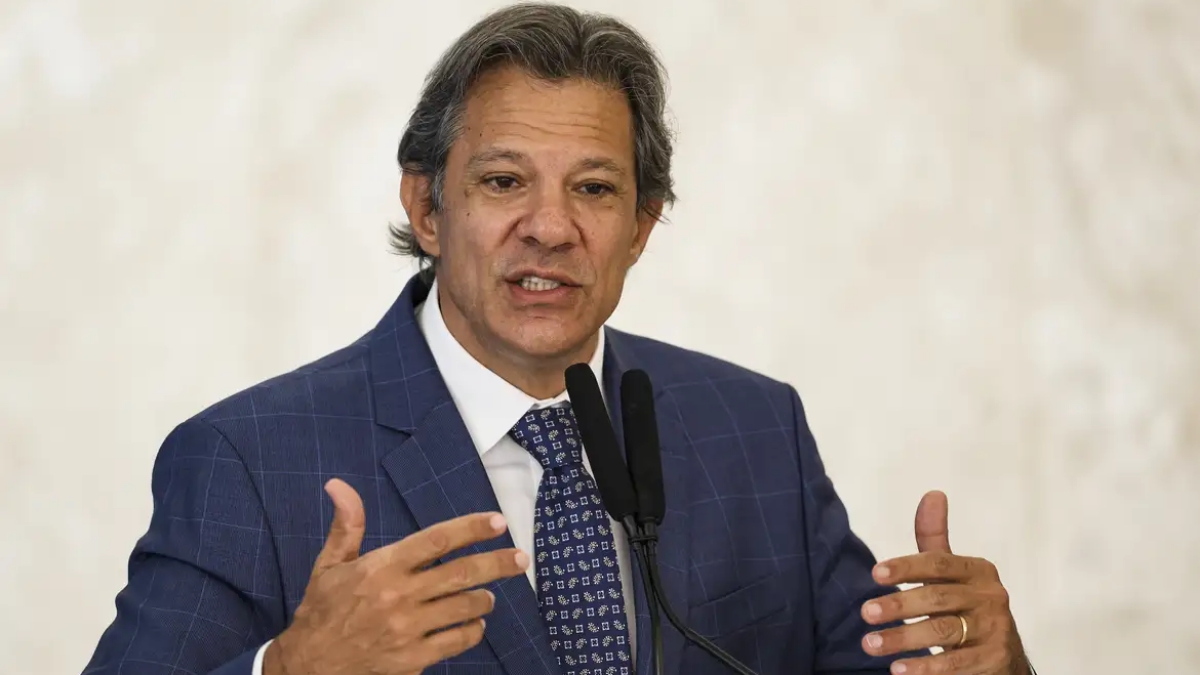
Just as with sportsbooks, the good example must be followed in the process of regulating land-based casinos and bingo halls. This information comes from Treasury Minister Fernando Haddad, in an interview given to the Canal Livre program on Band last Sunday (31). The minister signaled that the sector’s regularization should be analyzed by Congress soon.
According to the minister, the legalization of casinos and bingo halls would not be a “mass game”—quite the opposite. Economic activities carried out in these locations emerge as strategic alternatives, primarily geared toward tourism hubs in specific locations.
Furthermore, Haddad made it clear that with regulation, the potential for job creation and visitor attraction will only increase. According to him, the in-person experience is more restricted and controllable. “I’m surprised that virtual gambling was approved and in-person gambling wasn’t. The masses aren’t going into casinos.”
“These are strategic locations that attract tourists, who come to visit and end up playing at the casino, generating jobs and generating tourism,” said Haddad.
For the minister, the delay in in-person betting is a “reversal of priorities” in Congress. Also, according to him, the Federal Government has already identified 30 million unique CPFs registered on regulated online betting platforms.
The massive popularity of online gambling has brought public coffers revenue from taxes on betting, which has been turned into investment in healthcare.
The debate also addressed that keeping games like Jogo do Bicho illegal ends up financing organized crime, while regulation could generate revenue for the State and formal jobs.
The casino and bingo regulation project is stalled in Congress, after the Senate postponed the vote in July of this year.
Bill to regulate casinos and bingo halls in Brazil on Congress’ agenda
The bill (PL) that proposes legalizing gambling in Brazil is expected to return to the Senate’s agenda in the second half of the year. The proposal authorizes the operation of casinos, bingo halls, horse racing betting, jogo do bicho and other types of gambling.
The text repeals the 1946 ban on gambling in the country. It also amends the Misdemeanor Penal Code, which establishes penalties for such practices.
The project also proposes the creation of a supervision and oversight system. The goal is to ensure security and transparency in activities, as well as prevent crimes such as money laundering and terrorist financing.