


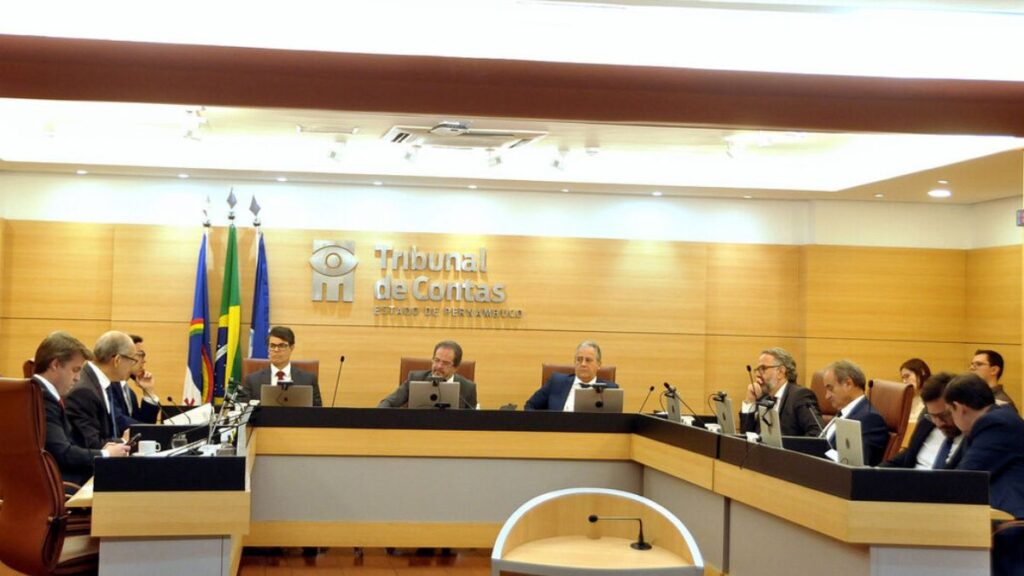
The Court of Auditors of the State of Pernambuco (TCE-PE) decided to alert the 184 municipalities in the state to suspend measures linked to the creation of municipal lotteries.
The decision directs local administrations to interrupt the effects of laws or decrees aimed at regulating, granting or implementing these services.
Furthermore, the document recommends that city halls not initiate new administrative procedures related to the management or operation of lotteries. Likewise, the alert advises the immediate halt of tenders and contracts signed for this purpose.
Why the TCE-PE advises the suspension of municipal lotteries
The measure came after a decision by the Federal Supreme Court (STF). Minister Nunes Marques granted an injunction that suspends lottery and sports betting services created by municipal legislation across the country.
Faced with this scenario, the Public Ministry of Accounts presented the alert proposal. Then, the president of the Court of Auditors of the State of Pernambuco (TCE-PE), Carlos Neves, announced the measure during a session held last Wednesday (11).
Therefore, the guidance determines that municipalities do not publish new rules on the topic. Furthermore, local administrations must also interrupt administrative processes linked to the concession, implementation or operation of lotteries of any type.
The court decision also requires the immediate cessation of activities that are already in operation. Likewise, it suspends the accreditation of municipal lottery services until a final judgment by the Federal Supreme Court (STF).
Fines and limits defined by federal legislation
The injunction establishes penalties for cases of non-compliance. Municipalities and companies that continue to operate these services may receive a daily fine of R$500,000.
Meanwhile, mayors and presidents of accredited companies may suffer a daily penalty of R$50,000 if they continue with lottery activities.
Finally, Federal Law 13,756/2018 establishes the rules for operating lotteries in Brazil. The legislation authorizes only states and the Federal District to create these services, always under Union supervision and within the limits set out in federal regulations.