


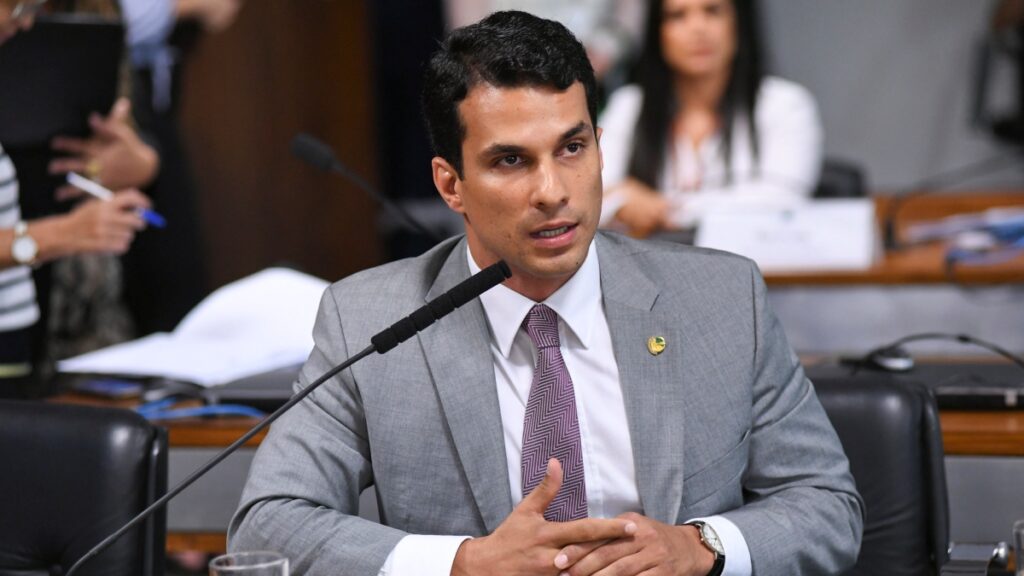
Senator Irajá Silvestre Filho (PSD), from Tocantins, rapporteur of Bill No. 2234 that regulates casinos, bingo, horse racing and other games, commented on the progress of the text that aims to legalize these modalities in Brazil.
In an interview, he highlighted that the proposal has made progress in Congress, with approval in committees and thematic debates. If approved by the House plenary, legalization is projected to generate more than R$20 billion in taxes.
The congressman argues that regulation is necessary to remove an already existing activity from illegality and protect citizens. According to Senator Irajá, games such as bingo, casinos, and jogo do bicho already operate in many cities across the country without oversight.
“Countries that responsibly legalized gambling doubled their tourist flow in the space of five years,” he said.
According to the parliamentarian, the lack of regulation prevents the government from collecting taxes. Furthermore, it tends to leave this activity in the hands of organized crime.
Legalization aims to generate employment and income
The bill’s rapporteur emphasizes that legalizing these activities in Brazil is, above all, a social and economic agenda. According to Irajá, the projected result will create more than 1.5 million jobs and raise at least R$20 billion in taxes.
“There’s a prospect of raising at least R$20 billion. These resources will be used to benefit the population, divided among Brazilian states, municipalities, health, education, and public safety, not to mention taking it out of the hands of organized crime,” the senator states.
These resources, according to the project, would be distributed to the population, with divisions between states, municipalities and investments in areas such as health, education and public safety.
“The great truth is that bingo, casinos, and jogo do bicho, which are activities of Brazilian culture, already operate outside the law, operating in almost all cities in Brazil, in the capitals, in short, on street corners.”
“The government doesn’t collect taxes, the Brazilian people don’t collect a single cent in taxes. The government doesn’t monitor them, and we can’t protect our citizens,” he said in an interview with ND Mais.